Advancing neutron capture therapy
towards better lives.

What is Neutron Capture Therapy?

Neutron capture therapy (NCT) uses neutrons, which are subatomic particles, to target and destroy cancer cells. A patient is given a neutron capture agent which is designed to selectively gather in cancer cells. The patient is then exposed to a beam of neutrons. When the neutrons come into contact with the neutron capture agent in the cancer cells, a nuclear reaction occurs.

This nuclear reaction releases energetic particles that travel a distance within 10 microns, which can damage and destroy the cancer cells. Normal, healthy cells are less affected because they don't have as much of the capture agent.

The goal of neutron capture therapy is to concentrate the destructive power in the tumour while sparing the surrounding healthy tissue as much as possible. It's a type of targeted therapy, aiming to minimise damage to normal cells and reduce side effects compared to other forms of cancer treatment.

How Boron Neutron Capture Therapy Works
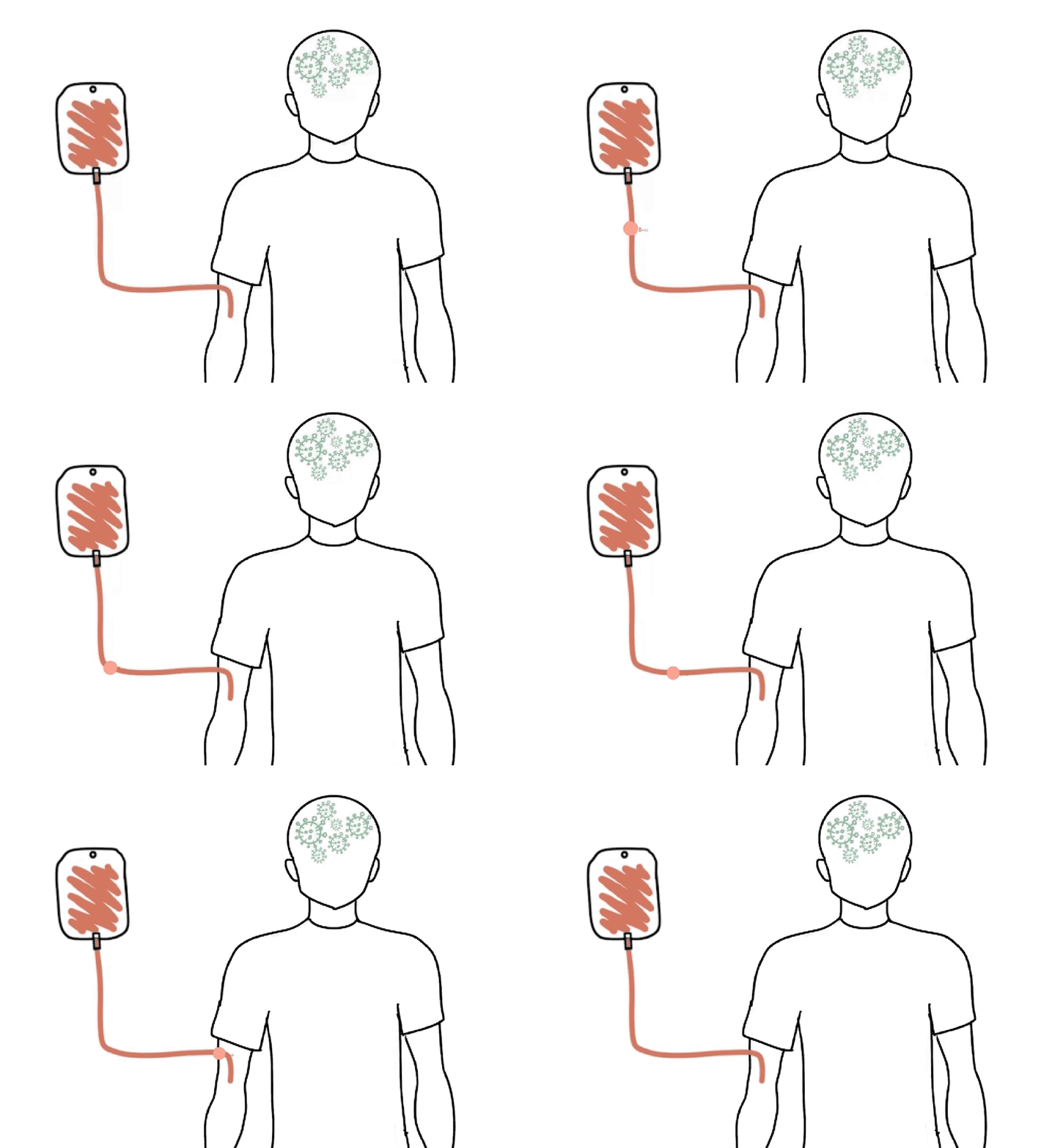
Patient given a compound containing Boron-10

The patient is given a compound containing Boron-10.
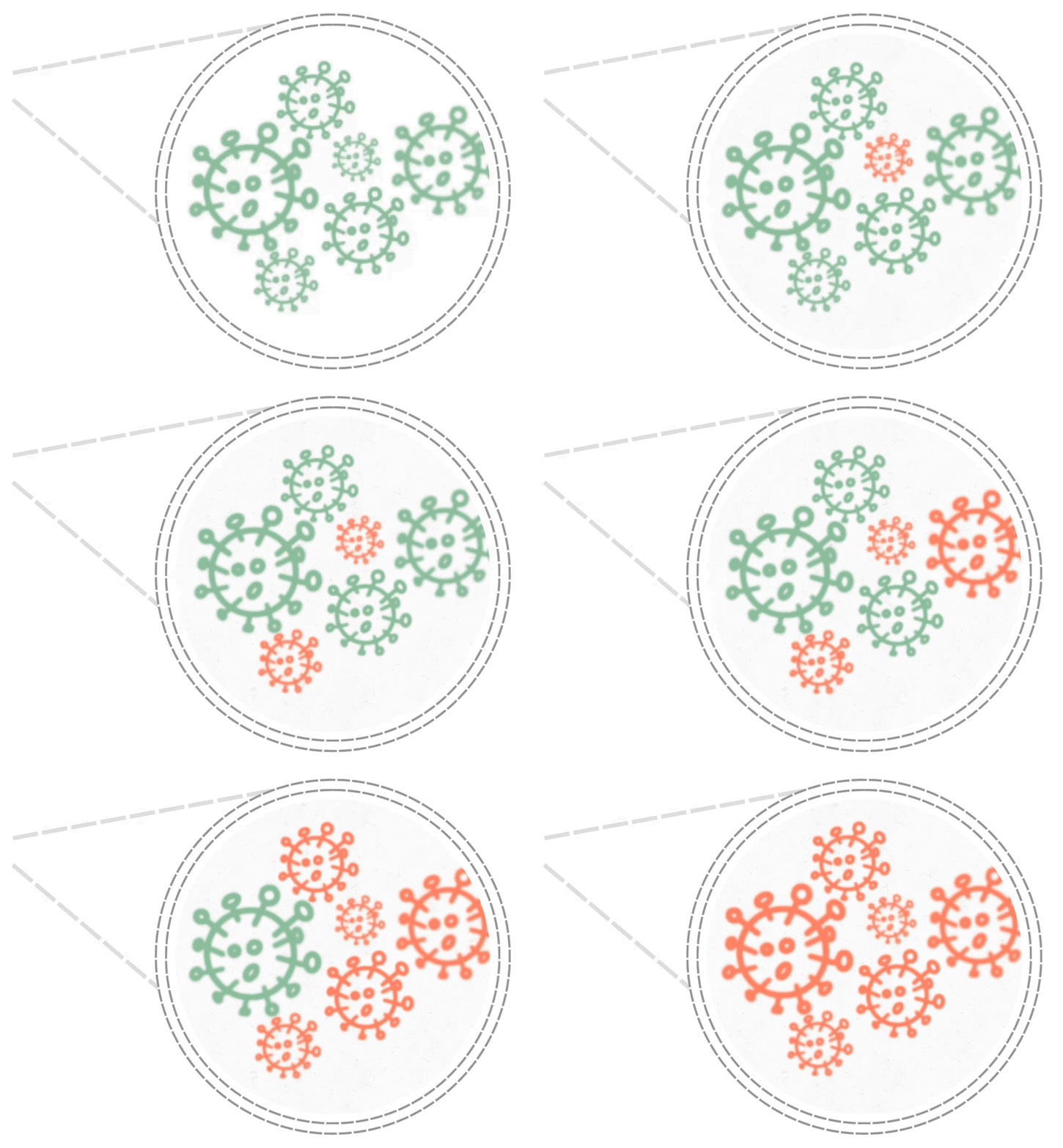
Cancer cells absorb boron-10 compound

The cancer cells absorb the compound.
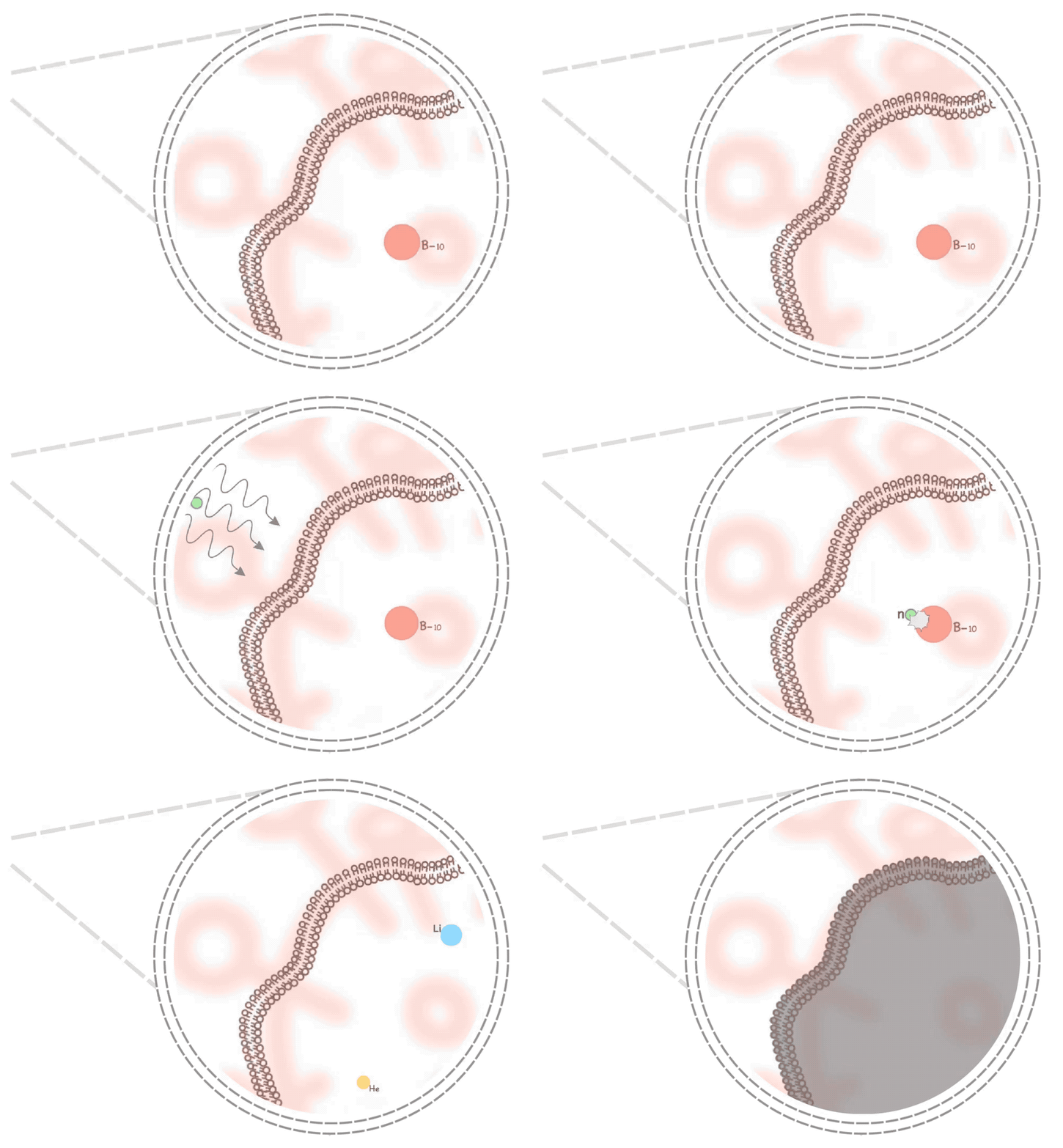
Exposed to neutrons

The patient is exposed to a beam of neutrons. Neutron-boron interaction initiates a nuclear reaction that releases high-energy particles, which travel up to 10 microns.
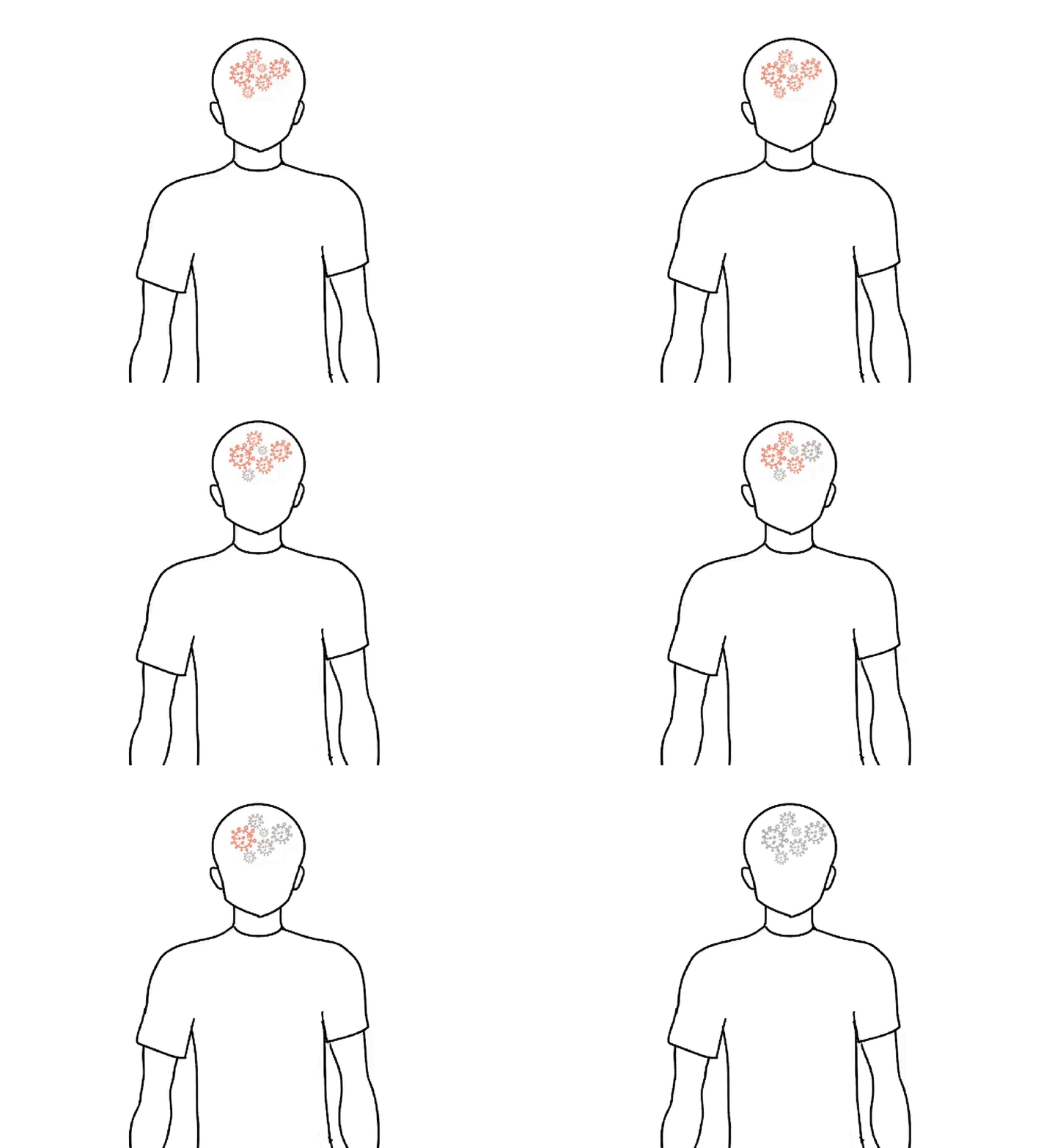
Particles cause damage to the cancer cells

Subsequently, these particles cause damage to the cancer cells.

Learn more about neutron capture therapy

An article introducing Boron Neutron Capture Therapy on Teknisk Ukeblad (in Norwegian).